Stonehenge was given to the nation in 1918. So far, almost a century later, the nation has done a remarkably bad job at looking after it.
The situation at the site is currently, as its custodians English Heritage put it, ‘severely compromised’ and as others like leading archaeologist Mike Pitts would say, ‘ an embarrassing, abominable, inexcusable mess’. For decades, plans have been put forward to improve the site and then postponed.
Two main roads not only thunder past but divide the circle of stones from the Avenue that should lead to it. The findings from Stonehenge are scattered piecemeal between some sixteen different museums and private holdings around the country. For the almost one million annual visitors drawn there, it can be a dispiriting experience, with the stones themselves fenced off and the current ‘visitor centre’ resembling a British Rail station built in the 1970s. Overall, it can be a bit like having a picnic in a car park.
Just last week the Government announced that it would no longer help finance the proposed new landscaping and visitor centre which Labour had announced last October.
On the face of it, this might seem perfectly reasonable. A saving of £10 million would result. We all know that cuts have to be made; the Government claims that Labour committed to projects that were never affordable. Read more…
…and a summer of Festivals continues. Highlights of Edinburgh so far? The opening of a new show by John Bellany at the Open Eye gallery; the opening of a new gallery, the Glasshouse; and the scabrous and very funny stand-up show by Greg Behreindt, the script-writer of Sex in the City and He’s Just Not that into You. Which is odd as not normally that ‘into’ Cosmo movies. Best of all it’s been sunny.
But the show that is a model of how to explore ‘the idea of a country’ is The Discovery of Spain at the National; the curatorial work that’s gone into the exhibition and catalogue is impressive – and there’s a sense of how Spain went from the melancholy decaying empire of the 18th century to a place of duende and the unfettered imagination that the poets of the 1930s would go out to fight for.
Meanwhile I recently gave a reading at the Latitude Festival myself which was a lot of fun as could see Tricky do the ultimate crowd-surf (he was carried so far off from the stage-tent that he emerged in a field somewhere and the concert was over); Tequila Oil has been reviewed by the Independent, Guardian and Financial Times - and by Top Gear Magazine who said I was a good writer but clearly a lousy driver.
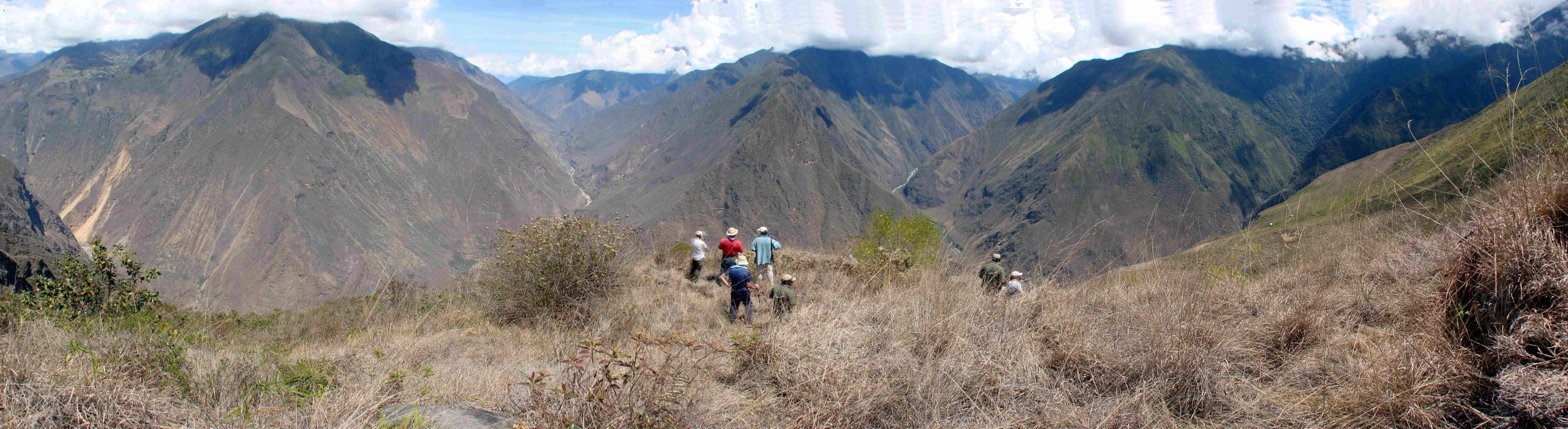
Also returned to Peru and the Inca site of Llactapata for a National Geographic and PBS Nova production: we filmed there at dawn on June solstice as the sun shone down the narrow passageway designed to mark that day. Then I had to do a piece to camera on what it all meant.
50 Wonders of the World has just been published by Quercus for £25. Which is a bargain, as it’s a handsome and very large book, which with a little carpentry could actually be used as a coffee table, not just on it.
We are used to tales of disaffected teenagers leaving Europe to join ashrams and communes in India. Now precisely the reverse has occurred.
It is an extraordinary story. The young man formerly known as Lama Tenzin Osel Rinpoche and venerated by Buddhist monks in India almost as a living god has renounced his status and told of the ‘unbearable’ conditions that he endured. At present he lives in Madrid.
Singled out as the reincarnation of a previous lama at just 18 months, the young Osel originally came from a Spanish family of Western Buddhists who had taken the boy to Dharamsala, where he was chosen by the Dalai Lama. After being enthroned aged six, he then spent his youth within the walls of a monastery in Southern India. From his previous incarnation, a guru called Yeshe who had died in 1984, he inherited the spiritual leadership not just of that monastery but of 130 other Buddhist centres worldwide.
Yet shortly before his eighteenth birthday, he cast off the saffron robes and fled to the West, where he has lived in anonymity for the last five years before deciding to speak of his ordeal: ‘I was put in a medieval situation in which I suffered enormously. It was like living a lie,’ he told the Spanish newspaper El Mundo. Read more…
Recent Comments